Exchange777 Home

Category

Behavioral Finance

4 articles

Earning on Both Sides: How to Build a Hybrid Income Strategy Combining Active Trading and Crypto Staking

In a market defined by volatility, the most resilient crypto investors are not choosing between active trading and passive yield generation — they are doing both. This guide examines how US investors can construct a hybrid income approach that captures upside through trading while building a stable yield foundation through staking, lending, and DeFi participation, along with the tax considerations that shape each decision.

Platform First: How the Exchange You Choose Quietly Shapes Every Trade You Will Ever Make

Platform First: How the Exchange You Choose Quietly Shapes Every Trade You Will Ever Make

Before a trader executes their first order, they have already made a decision with far-reaching financial consequences: which exchange to use. The platform beneath your trades determines not only what you pay in fees, but how quickly your orders fill, how safely your assets are held, and how much invisible cost erodes your returns year over year. This guide examines what most traders never look at closely enough.

The Defensive Playbook: Using Stablecoins as a Strategic Weapon During Market Downturns

The Defensive Playbook: Using Stablecoins as a Strategic Weapon During Market Downturns

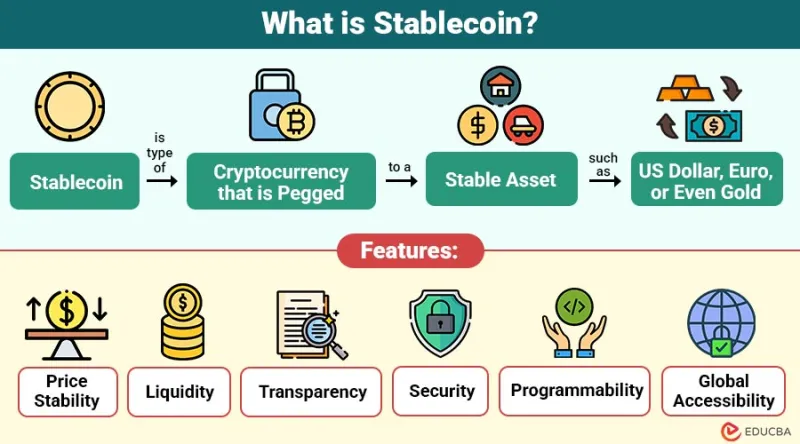
When crypto markets enter periods of sustained volatility, many investors default to one of two flawed responses: panic selling into fiat or holding through painful drawdowns out of stubborn conviction. Stablecoins offer a third path — one that preserves capital, maintains market proximity, and positions disciplined investors to re-enter at favorable levels. Understanding how to deploy them strategically is a skill that separates reactive traders from deliberate ones.

The Enemy in the Mirror: How Your Own Brain Is Sabotaging Your Crypto Trades

The Enemy in the Mirror: How Your Own Brain Is Sabotaging Your Crypto Trades

American retail crypto traders lose billions of dollars each year not because markets are rigged against them, but because their own cognitive architecture is fundamentally misaligned with the demands of disciplined trading. Fear, greed, and overconfidence are not character flaws—they are hardwired psychological responses that professional traders have learned to systematically override. Understanding these biases is the first step toward trading with genuine clarity.